BeautyPlus: My Skin's Quiet Revolution
BeautyPlus: My Skin's Quiet Revolution
Rain lashed against my bedroom window as I stared at the cracked phone screen, frustration bubbling like overheated milk. Another Zoom interview loomed in thirty minutes, and my reflection resembled a sleep-deprived raccoon. Dark circles carved trenches under my eyes, a stress breakout marched across my chin, and the gray afternoon light washed all color from my face. I jabbed the camera button with trembling fingers, producing images that made me want to hurl my phone into the storm. Professionalism? More like a cautionary tale about all-nighters. My confidence was crumbling faster than dry clay.
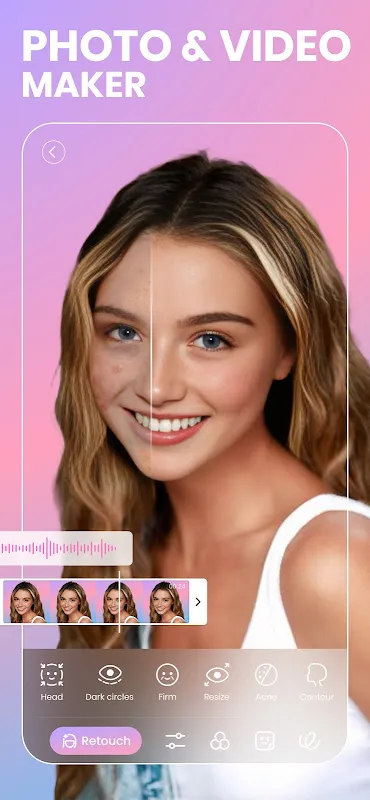
Then I remembered the garish icon buried in my utilities folder - BeautyPlus. Installed months ago during a moment of vanity, dismissed as just another filter factory. Desperation overrode skepticism. I imported the least horrifying selfie, bracing for the usual parade of plastic-smooth atrocities. Instead, the app greeted me with subtlety. No cartoonish sliders promising miracles, just a clean interface whispering possibilities. My thumb hovered over the "Blemish Removal" tool, expecting the aggressive stamp that turns skin into wax mannequins on other apps. What happened next felt like sorcery.
The Whispering AlgorithmTouching a zit should've erased it into oblivion. But BeautyPlus didn't annihilate; it healed. The AI analyzed texture, preserving the tiny pores around the blemish while dissolving only the inflammation. It left behind what looked like naturally fading skin - no ghostly patches, no blurred edges. Adaptive SkinTech wasn't marketing fluff; it felt like the app was studying biology. When I tentatively nudged the "Radiance" dial, warmth seeped into my cheeks without the radioactive glow of cheap filters. It mimicked actual blood flow under skin, not painted-on blush. The shadows beneath my eyes softened into something resembling human fatigue rather than gothic horror, retaining the slight creases that make faces real. I caught myself leaning closer, breath fogging the screen. This wasn't editing - it was translation. Translating my exhausted reality into my aspirational truth.
Time evaporated as I experimented. The "Golden Hour" lighting feature didn't just brighten; it calculated angles based on my facial structure, simulating how sunlight would naturally sculpt my jawline at dawn. When I overcorrected, pulling a slider too far right, the app resisted with gentle friction, preventing uncanny valley territory. Most editors treat faces like coloring books. This felt like collaborating with a master painter who understood bone structure and capillary networks. My earlier rage dissolved into focused awe, the rhythmic rain outside becoming white noise to this digital renaissance of my reflection.
When Tech Understands TearsThe real gut-punch came with the "Natural Smile" enhancer. Prepping for interviews always stiffens my expression into something stern and unconvincing. I activated the tool expecting creepy tooth whitening or forced lip curvature. Instead, Emotion Mapping subtly lifted the corners of my eyes, crinkling them just enough to imply warmth rather than mania. It preserved my tiredness but layered quiet optimism over it. Suddenly, I wasn't looking at a polished mask, but at the version of me who actually aced presentations - competent, approachable, fundamentally me. My throat tightened unexpectedly. This stupid app saw the person I was struggling to project. When the Zoom call connected minutes later, I didn't feel like a fraud hiding behind software. I felt seen.
Post-interview, I obsessed over the tech. How did it avoid that plastic sheen plaguing every other editor? Digging beyond marketing jargon revealed layered neural networks trained on dermatological datasets - not just smoothing skin, but recognizing healthy vs. irritated texture. Its lighting engine uses 3D facial mapping to simulate real-world physics, not blanket filters. Most impressively, it respects asymmetry. My slightly crooked smile stayed crooked, just happier. Other apps try to "fix" uniqueness; BeautyPlus curates it. Yet fury resurfaces when the free version watermarks exports with obnoxious branding, holding my confidence hostage unless I pay. And the subscription pricing feels predatory for what's essentially advanced algorithms - a digital shakedown when you're already emotionally vulnerable.
Now, weeks later, I catch myself reaching for it not out of insecurity, but curiosity. Morning light through dusty windows becomes a playground. How will it interpret today's freckles? Can it make this coffee-stain shadow look intentional? BeautyPlus taught me that editing isn't deception when it honors reality's blueprint. My phone gallery is no longer a graveyard of deleted insecurities, but a lab where light and algorithms conspire to remind me: I'm more than my worst selfie. Even on rainy afternoons.
Keywords:BeautyPlus,news,AI photo editing,adaptive skin technology,digital confidence