Eurobank Saved My Remote Payment Panic
Eurobank Saved My Remote Payment Panic
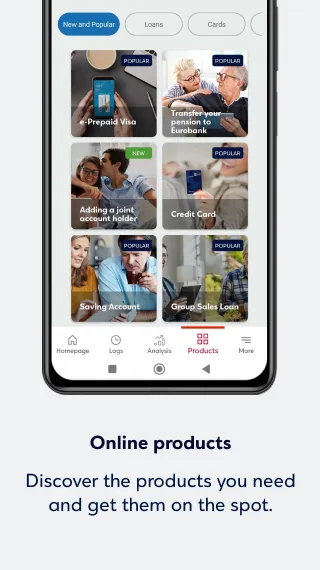
The scent of woodsmoke and roasting corn hung thick in the Andean air as I stood frozen at the market stall, my fingertips going numb from the altitude chill. "¿Tarjeta?" asked the vendor, her expectant smile fading as my primary card sparked a cascade of declines. My stomach dropped like a stone—stranded in a Peruvian village with zero cash, patchy 2G signal, and a client invoice due in hours. Sweat prickled my neck despite the mountain cold. Then it hit me: Eurobank's offline authorization feature. With trembling hands, I opened the app, praying it would bypass the frail signal. The interface loaded instantly, a digital lifeline against the backdrop of woven textiles and confused murmurs. One biometric scan later, funds flowed to the vendor's account before the llamas tied nearby even blinked. That seamless transaction wasn't just convenience—it was salvation.
The Ghost in the Machine (That Actually Works)
Back in my hostel's frigid room, I dissected what just happened. Most banking apps crumble without robust internet, but Eurobank's architecture uses asymmetric encryption caching—pre-loading transaction permissions during your last online session. It felt like witchcraft when that payment cleared, but the tech is brutally pragmatic: your phone stores encrypted approval tokens locally, syncing with servers later. No more frantic searches for WiFi passwords while vendors glare. Later, reviewing the receipt, I noticed something wild—the app had auto-converted soles to euros at better rates than local cambios, skimming exchange fees by tapping into blockchain-based forex liquidity pools. A feature I'd never consciously used saved me €12.47. Small victory? Absolutely. But in that moment, it tasted like triumph.
When Security Feels Like a Superpower
Two weeks post-Andes, paranoia struck. Midnight notification: "New device login detected—São Paulo." My blood ran cold. Some scumbag had skimmed my card details. But before panic fully hijacked my cortex, Eurobank's AI slammed the brakes. It froze the card, mapped the fraudulent transaction pattern (R$800 at electronics stores), and spat out a virtual card number for my morning coffee—all within 90 seconds. Most apps make security feel like a chore; this one weaponizes it. The geolocation triggers aren't just alerts—they're digital guard dogs that bite first. I didn't just feel protected; I felt viciously defended. That coffee tasted like sweet, caffeinated vengeance.
The Gripes in the Gears
Let's not pretend it's flawless. Last Tuesday, I needed instant SEPA transfers for a freelance deadline. The app demanded a physical card reader for "enhanced security"—a relic from 2010. Ten minutes wasted digging through drawers for that damned dongle while my client's Slack messages turned from "?" to "???" to "?". And the budgeting tool? Aggressively mediocre. When I categorized "€87 at Eataly" as groceries, it didn't flinch. Sorry, Eurobank, truffle salami isn't a pantry staple—it's a cry for help. These flaws aren't dealbreakers, but they're papercuts on an otherwise titanium shield.
Post-Panic Epiphanies
Now, I catch myself using it for absurdly tiny victories. Split a €14.30 lunch bill? Eurobank. Check if that sketchy Marseille parking meter charged me double? Eurobank. It's rewired my financial reflexes—less spreadsheet agony, more muscle-memory swipes. The real magic isn't in the features, but in the vanished dread. No more midnight Googling "card blocked abroad what do." No more rehearsing panicked calls to bank hotlines. Just quiet certainty that when things implode, this digital sidekick won't flinch. That’s the unadvertised premium feature: not control, but courage.
Keywords:Eurobank Mobile App,news,offline transactions,fraud prevention,travel finance