Highlands Charge Panic: bp pulse Lifeline
Highlands Charge Panic: bp pulse Lifeline
Rain lashed against my windscreen like gravel thrown by an angry giant, reducing the Scottish Highlands to a watercolor smear of grays and muted greens. My knuckles whitened on the steering wheel as the dashboard’s amber battery light pulsed—a mocking heartbeat counting down to zero. 37 miles remaining. The nearest village was a ghost town with a broken charger I’d gambled on, leaving me stranded on this skeletal mountain road. That’s when the cold dread slithered up my spine. Not just inconvenience, but genuine fear—the kind that tastes like copper and makes your foot tremble on the accelerator.
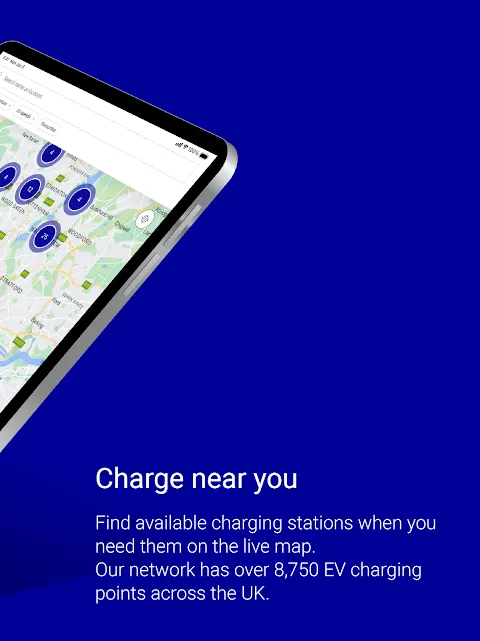
Fumbling with my phone, rain-soaked fingers left streaks on the screen. I stabbed at the bp pulse icon like it owed me money. What loaded wasn’t just an app; it was a control panel for survival. The map bloomed with pulsating dots—live availability markers showing real-time statuses, not just static pins. One glowed green 12 miles away at a remote service station. "Charge available NOW," it declared, bold as a shout. The routing feature didn’t just give directions; it calculated battery drain against elevation gains, factoring in the brutal 8% gradient ahead. Under the hood, it’s crunching topography data and predictive algorithms—no guesswork, just cold, hard math ensuring I wouldn’t coast into oblivion.
The Surge of Relief
Arriving felt like docking a spaceship. The charger hummed, its LED a steady blue eye. bp pulse authenticated the session before I’d even unbuckled—RFID tech syncing with my account seamlessly. As electrons flowed, I explored the app’s guts. Dynamic pricing showed off-peak rates kicking in at 8PM, slashing costs by 40%. But here’s the raw truth: their "Plug&Charge" feature once failed me in London during a downpour, forcing manual QR code scans with trembling hands. That memory still bites—a stark reminder that even angels have off days.
Later, camping near Loch Ness, I used the app’s scheduling feature like a chess master. Set it to juice my EV at 2AM when tariffs plunged, waking to a full battery costing less than a pint. The graph showing energy consumption vs. cost savings felt like outsmarting the system—a tiny rebellion against petrol giants. Yet the app’s navigation once routed me through a farmer’s muddy field "shortcut." I spent an hour power-washing clotted earth off the chassis, cursing its overzealous efficiency.
Silent Guardian Tech
What hooks me isn’t just convenience—it’s the invisible tech armor. During a snowstorm in Yorkshire, push notifications warned of charger outages before I left the hotel. Behind that alert? Machine learning analyzing weather patterns and historical failure rates. And that session control—remotely extending charging time from a pub while sipping ale—felt like wizardry. OCCP protocols talk between car and charger, but to me, it was pure sorcery. Still, their customer support chatbot? A digital brick wall. When a payment glitched, I needed human help, not pre-scripted platitudes.
Driving home through Glencoe at dawn, mist clinging to valleys like smoke, I realized bp pulse had rewired my anxiety. Range fear? Now it’s a calculated variable, not a primal scream. That map of green dots is a psychological safety net—a distributed lifeline woven into the landscape. But let’s not deify it. When their servers hiccuped last Tuesday, freezing the app mid-charge, I kicked my tire so hard I limped for days. Perfection? Hell no. Essential? Like oxygen.
Tonight, planning a cross-Wales sprint, I toggle between charger filters—150kW only, contactless payment, coffee nearby. Each selection feels like armoring for battle. The app estimates total trip cost down to the penny, factoring in regenerative braking gains. That’s not data—that’s control reclaimed from chaos. My old petrol panic? Now just a ghost in the rearview.
Keywords:bp pulse,news,EV charging anxiety,real-time routing,dynamic pricing