Ice Storm Savior: A Tulsa Tale
Ice Storm Savior: A Tulsa Tale
Windshield wipers fought a losing battle against sleet that January dawn, each swipe leaving thicker ice daggers. My knuckles ached from gripping the steering wheel on I-44 when the tires suddenly lost purchase – that gut-plummeting moment when asphalt becomes an ice rink. As the car pirouetted toward the guardrail, my phone glowed with an alert I'd mocked months earlier: the crimson pulse of KJRH's emergency notification. In that suspended terror, I learned hyperlocal warnings aren't luxuries; they're digital seatbelts.
The Click That Changed Everything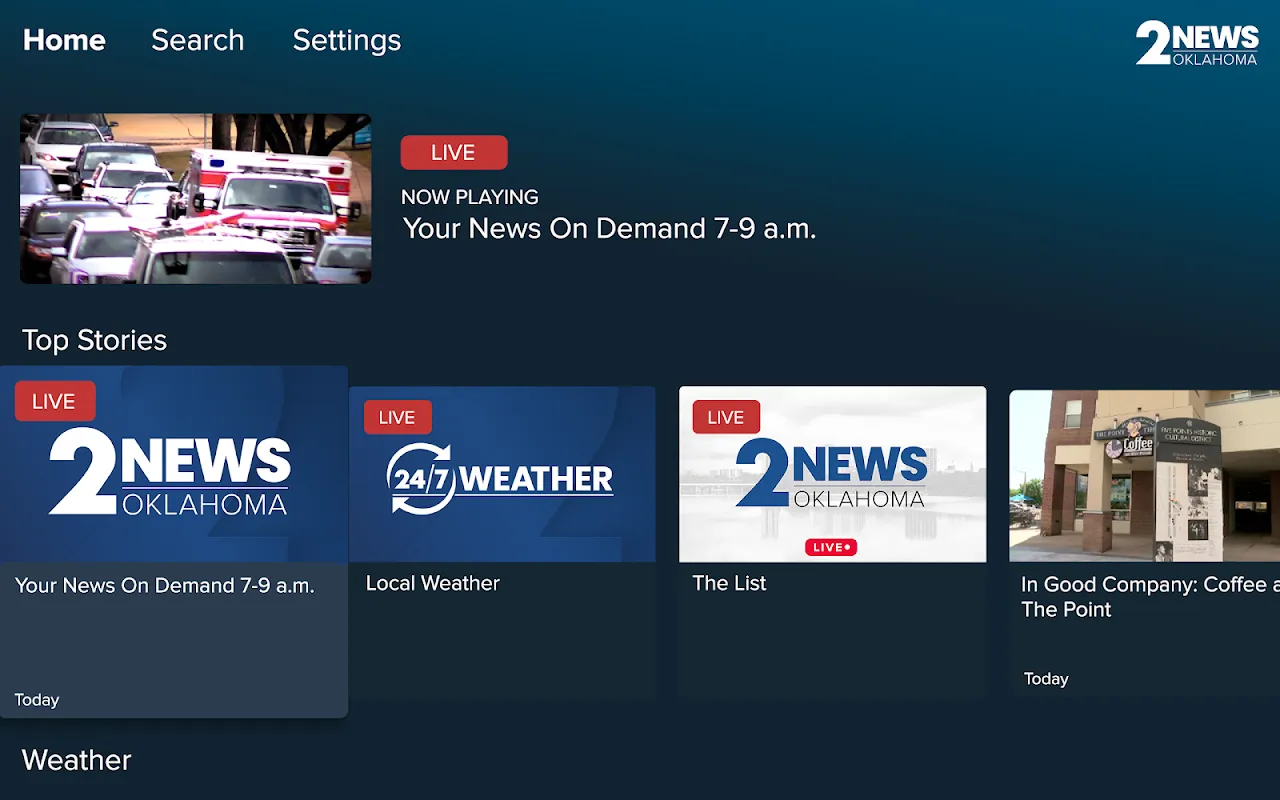
Before that spinout, I'd treated weather apps like fortune cookies – vaguely entertaining, rarely actionable. But when my sedan shuddered to a stop sideways in the breakdown lane, KJRH's radar didn't show county-wide approximations. It displayed a street-level hemorrhage of blue crawling up the exact highway curve where I trembled. The temperature overlay revealed why: 29°F at my location while 33°F just half-mile ahead. That specificity let me calculate risk: wait for salt trucks rather than gamble forward. Most platforms broadcast fear; this one delivered strategy through NEXRAD Level III data processed with terrifying granularity.
Three hours trapped in that frozen cocoon taught me intimacy with an app I'd never noticed. When the live stream loaded, reporter Mitch Grant appeared knee-deep in slush near 71st Street, his microphone crusted with ice. "Exit ramps are skating rinks," he panted, gesturing at a jackknifed semi behind him. That human connection transformed abstract danger into navigable reality. I watched salt trucks crawl like determined beetles on his feed while checking the app's traffic layer – green lines blooming where routes became passable. When I finally crept home at 3 mph, I understood why meteorologists call this dual-polarization radar their Excalibur: it distinguishes freezing rain from snow pellets by how they tumble through atmosphere.
Ghosts in the MachinePerfection arrived months later during May's floods. Water swallowed my street as I frantically tapped for evacuation routes. Instead of maps, spinning wheels of death. Five reloads. Ten. The app had flatlined when I needed it most – a betrayal that flooded me with colder fury than the rainwater seeping into my garage. Later, I'd learn their servers buckled under 200,000 simultaneous streams. Tech teams deserve grace during disasters, but grace doesn't dry soaked photo albums. My rage-email subject line said it all: "Lifelines Shouldn't Break."
What happened next rewrote my cynicism. Not just a form apology, but a call from their engineering lead explaining new edge-computing nodes installed across Tulsa. He described how HTTP Live Streaming adaptivity now prioritizes audio during bandwidth crunches – because hearing warnings matters more than seeing reporters' rain-soaked hair. When July's derecho hit, the difference felt apocalyptic. Push notifications arrived 90 seconds before winds shredded my neighbor's oak, the audio stream crisp through tinny phone speakers as I huddled in the bathtub. Redemption tastes like static-filled voices saying "take cover now."
Morning Rituals RebornToday, checking KJRH is as instinctive as pouring coffee. The 6:45am ritual: scan traffic cams along my commute route, watch for school closure ribbons, breathe when no alert badges glow red. It reshaped my relationship with this mercurial city. Those animated radar loops? I now read them like poetry – the magenta splotch over Jenks means reschedule the park picnic, the green smear east of Bixby signals open windows tonight. Even my daughter mimics me, shouting "Mama, the sky blob is coming!" when she sees storm cells on my lock screen.
Last Tuesday proved the transformation complete. Sirens wailed at 2am as I grabbed the cat carrier. My husband reached for the TV remote. "No need," I said, already watching the tornado polygon overlay our neighborhood on my phone. "It'll turn north at Admiral Place." Four minutes later, the rotation lifted. We slept through the all-clear. That's the real magic – not flashy graphics, but the quiet confidence to rest when the heavens rage. KJRH didn't just give me information; it rewired my nervous system to trust Tulsa's turbulent skies again.
Keywords:2 News Oklahoma KJRH Tulsa,news,hyperlocal weather,emergency alerts,radar technology