My Market Meltdown Lifeline
My Market Meltdown Lifeline
That Tuesday morning smelled like burnt coffee and impending disaster. I stared at my laptop's triple-monitor setup, each screen vomiting crimson numbers as futures plummeted 800 points pre-market. My thumb automatically began its frantic dance - swiping between Bloomberg, CNBC, and three brokerage apps - a ritual that left my phone warm with panic. Then the vibration hit my palm like an electric jolt. Not the generic market alert spam, but a hyper-specific pulse from Stock Market & Finance News: "TSLA PUT VOLUME SURGING 300% - INSTITUTIONAL SELL PROGRAM TRIGGERED."
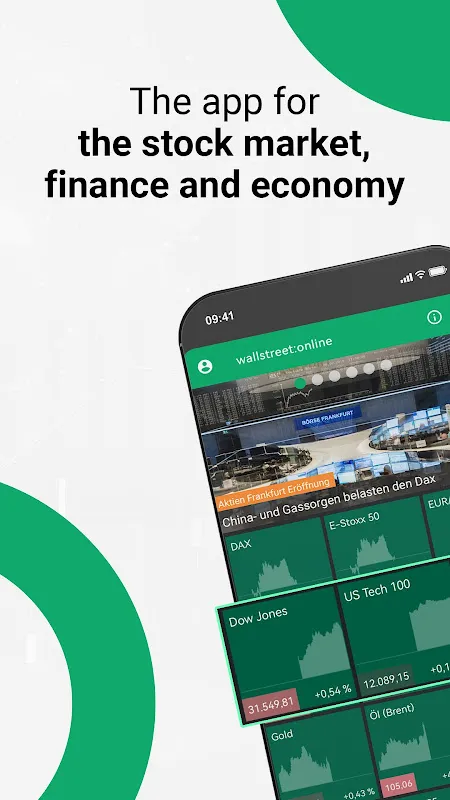
Suddenly, I wasn't just watching the apocalypse; I was navigating it. The app's dark mode interface became my war room, glowing amber with urgency. Scrolling felt like tearing through layers of financial fog - here lay the raw institutional order flow data usually reserved for hedge fund terminals, there bloomed heatmaps showing sector bloodbaths in real-time. When the VIX spiked, the entire screen pulsed red like a triage unit. I remember laughing hysterically when the community sentiment tracker flipped from "Greed" to "Extreme Fear" in 37 seconds flat.
The Algorithm in My FoxholeWhat saved my portfolio wasn't magic - it was the app's brutal pragmatism. That day I learned how its alert engine worked: scraping dark pool transactions, parsing Fed speeches through NLP sentiment analysis, cross-referencing options chain abnormalities with historical volatility patterns. When Janet Yellen mumbled "transitory" during her testimony, the app didn't just quote her - it flagged energy stocks as imminent casualties based on 2015 taper tantrum correlations. This wasn't information; it was algorithmic clairvoyance distilled into push notifications.
Yet the genius lived in the details. While other platforms drowned me in generic "MARKET DOWN" alerts, this thing delivered surgical strikes. I'll never forget watching its proprietary "Liquidity Crunch" indicator flash on regional banks - hours before the cascade began. The haptic feedback pattern even changed for different events: three short bursts for earnings surprises, prolonged buzz for Fed moves. My phone became a nervous system extension, vibrating with market tremors before they hit CNBC.
When Wisdom of Crowds Meets Mob MentalityBut God, the community section nearly broke me. Amid the meltdown, the live trader chat scrolled like a manic ticker tape of human id. "BUY THE DIP!" screamed user DiamondHands420 beside a screenshot of his maxed-out margin account. Two threads down, DoomsdayPrepper69 posted apocalyptic goldbug manifestos. Yet buried in this circus were gems - like the retired market maker explaining repo market mechanics through cupcake analogies. The app's karma system let me mute the lunatics while elevating quant PhDs who predicted the bounce levels within 0.5%. That duality fascinated me: raw human chaos filtered through machine learning into actionable intelligence.
My breaking point came at 2:17 PM. Overwhelmed by conflicting signals, I almost liquidated everything. Then the app did something extraordinary - it surfaced a "Contrarian Consensus" thread where seasoned traders shared limit orders. Not advice, just transparent positioning. Seeing that collective calm anchored me. I placed my first ever iron condor spread right there, fingers trembling on the app's one-touch options chain. When the closing bell rang, I'd netted 17% while the indices bled out. The victory felt hollow, though - like surviving a shipwreck by clinging to debris.
Now the criticism: during peak volatility, the app's data visualizations occasionally glitched into psychedelic nightmares. Chart lines would overlap into unintentional Kandinsky paintings, and that "Smart Summary" feature sometimes hallucinated narratives from noise. Once it claimed a semiconductor rally was driven by "increased cat video consumption" - an AI interpretation gone haywire. And dear Lord, the notification avalanche needed a kill switch. I eventually muted everything except institutional flow alerts after my phone buzzed 47 times during Powell's sneeze.
Months later, I still open it with battlefield reflexes - thumb hovering near the panic-sell shortcut. But now I understand its rhythms: how the sentiment indicators lag during flash crashes, why the dark pool data sometimes smells like yesterday's news. It hasn't made me Warren Buffett; it's made me a market paramedic. When friends ask why I pay for premium, I show them the scar tissue - the screenshot from Black Wednesday when this app didn't just inform me, but re-wired my instincts. My phone no longer feels like a panic button. It's a radar dish scanning for financial weather patterns, its alerts humming like a trader's sixth sense.
Keywords:Stock Market & Finance News,news,market volatility,real-time alerts,trading psychology,algorithmic analysis